

Detective fiction is a genre centered on solving a crime or mystery through investigation, clues, suspects, and deduction. The story usually follows a detective—either a professional investigator or an amateur—who pieces together evidence to uncover the truth. Readers are encouraged to follow the clues and solve the mystery alongside the detective.
Sir Arthur Conan Doyle played a major role in popularizing detective fiction through Sherlock Holmes. His stories showed how careful observation, logical reasoning, and small clues could help an investigator uncover the truth.
The Short Definition: The Short Answer
Strip away the fog and the red herrings, and you’re left with a plot that runs on one engine: crime detection. The reader isn’t just following along—you’re testing your own theory against every clue the writer hands you, trying to beat the detective to the answer. Agatha Christie leaned on this so hard that fan communities still argue over which of her endings actually played fair. That’s the appeal. You get to sit in the detective’s chair for a couple hundred pages without any of the actual risk.
Key Characteristics You’ll Notice in Every Whodunit
Read enough of these stories, and a pattern starts showing up. There’s always a crime, usually surfacing early. There’s a protagonist skilled at clue-solving, whether they trained for it or fell into it by accident. Suspects crowd the page, each one hiding something that may or may not matter.
Red herrings show up to throw you off balance. And somewhere near the end, everything snaps into place in a way that rewards you for paying attention the whole time.Good detective fiction gives readers enough information to form their own theories. If the final solution depends on information that was never revealed, the mystery can feel unfair.
Elements of Detective Fiction: How the Structure Actually Works
The elements aren’t accidental. They follow a structure refined over more than a century, and once you see it, you can’t unsee it.
| Element | What It Does For You |
| The Crime | Sets the puzzle you’re solving |
| The Investigator | Your guide through clue-solving |
| The Clues | Give you real material to reason with |
| The Suspects | Create doubt and misdirection |
| The Deduction | Links evidence to the final answer |
| The Resolution | Confirms whether your theory held up |
Weaken one of these pieces, and you feel it instantly—the mystery investigation stops earning its ending.
Types of Detective Fiction
Not every story in this genre looks alike. These types of detective fiction are usually split by who’s doing the digging.
| Type | Who Investigates | What You Get |
| Amateur Detective | A curious bystander, not a cop | Fresh perspective, personal stakes |
| Professional Detective | Police officer or licensed investigator | Procedural accuracy, institutional access |
| Hardboiled Detective | Cynical private investigator | Gritty tone, moral ambiguity |
| Cozy Mystery | Amateur in a small, quiet setting | Lighter tone, community focus |
You’ll probably gravitate toward one over another, depending on whether you want realism or something gentler.
Mystery Novels Worth Reading
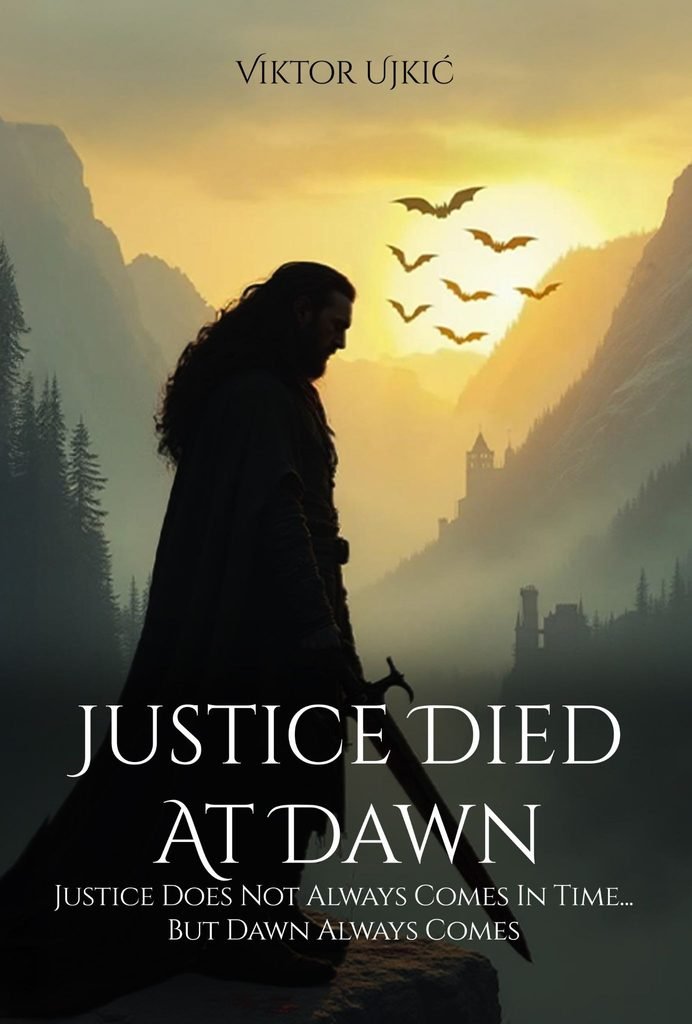
You don’t have to search hard for examples that pull these pieces together. Justice Died At Dawn by Viktor Ujkic, published under viktor ujkic library, is one worth adding to your list—it leans into professional investigation and slow-burn deduction instead of cheap twists, which feels refreshing if you’re tired of gimmicky reveals.
The Unwritten Rules Behind Every Mystery
When someone breaks this genre down simply, they usually mean the unwritten rules holding the genre together. You should be able to solve the case using only what’s already on the page. No secret twins. No clue the narrator forgot to mention. No cheating.
That’s the contract between writer and reader, and breaking it is the fastest way to lose you halfway through the book.
If You Enjoyed This, You Might Also Like
If the mechanics behind a genre interest you, it looks at how real conflict shapes speculative plots the same way real crime shapes mystery plots. And if the moral tension detectives wrestle with stuck with you, Justice Vs Revenge: Are They Actually The Same Thing? digs into a question this genre keeps circling back to.
Wrapping It Up
This is all that goes into separating a good mystery from something you’ll have forgotten in a week’s time: organization, an element of fair play, and an interesting main character worth following till the end. It doesn’t matter whether you prefer an amateur detective piecing things together out of curiosity or a professional working the case like routine—the essence never really varies. Either way, you get a chance to work out the problem yourself, testing your own guesses against the clues on the page before the writer hands you the answer.
That’s the quiet pull of the genre. You’re not just watching someone else solve it. You’re racing them to the finish, one clue at a time.
FAQs
Detective fiction is a genre in which a detective investigates a crime or mystery by examining clues, questioning suspects, and using deduction to uncover the truth.
The plot revolves around a crime, a reliable detective figure, and hints that will be important further. There are suspects motivated realistically for the crime. And it should be possible to crack it from the material provided.
The amateur detective accidentally gets involved in solving a case – through curiosity, a lost friend, or an inexplicable situation – because of his intuition rather than professional skills. The professional detective has all the resources – forensics, confidential sources, information not accessible to common people.