

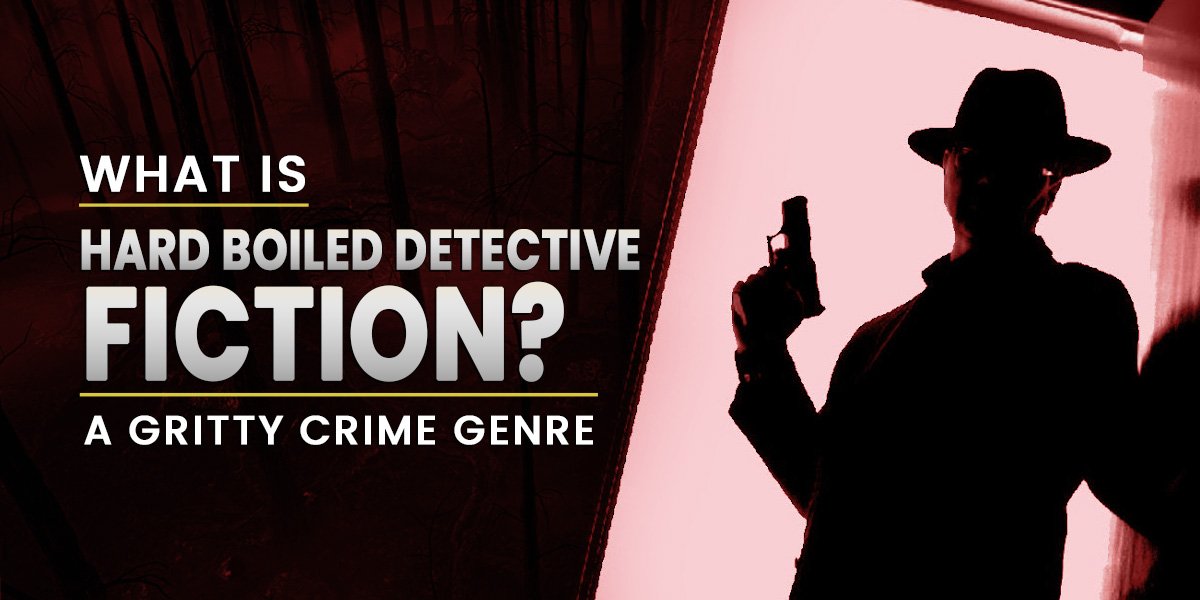
Hard Boiled Detective Fiction is a crime and mystery subgenre featuring tough, streetwise detectives who investigate crime in gritty settings shaped by corruption, violence, and moral ambiguity. Unlike traditional puzzle-focused mysteries, these stories often emphasize the detective’s difficult choices, dangerous surroundings, and morally complicated cases.
Hard-boiled detective fiction, at its core, is a crime genre built around tough, streetwise investigators working cases in a world that’s already broken. Not clean puzzles with tidy solutions here. Think urban corruption, criminal underworlds, detectives who bend rules just to survive the job.
Ever read one of the classic hard-boiled detectives and noticed the tone felt heavier, meaner somehow, than a typical mystery? Not an accident, that. Genre leans into moral ambiguity on purpose. Nobody’s fully clean here. Not even the hero.
Why This Genre Feels So Different
It mostly comes down to the atmosphere. Good hard-boiled mystery fiction doesn’t dress crime up as a game; it shows the grime underneath instead. Violent crime isn’t sanitized. Corruption isn’t background noise; it’s the water everyone’s swimming in, whether they notice or not.
A few things separate the best hard-boiled detective books from softer mysteries:
- Gritty realism replaces polished, cozy settings
- The detective antihero carries real flaws, not just quirks
- Urban corruption touches almost every character somehow
- Moral ambiguity replaces clean good-versus-evil lines
- Violence has weight; it’s not just plot furniture
Core Traits of a Hard-Boiled Detective
Need more than a private detective and a crime for this genre to click. Here’s what actually defines it within detective fiction.
The Tough Detective
The investigator here isn’t polished, not even close. Often worn down or cynical, the detective operates by a private code while navigating a world where the usual rules don’t always hold.
Gritty Realism
Setting matters as much as plot, maybe more. Rain-soaked streets, corrupt cops, criminal underworld ties that reach higher than anyone wants to admit. Nothing feels clean. That’s intentional, always.
Moral Ambiguity
Heroes lie sometimes. Villains occasionally have a point. The best hard-boiled crime fiction just refuses to let you fully trust anyone, narrator included.
Violence With Consequence
Violent crime shows up often enough, but rarely glamorous. Costs something every time, physically or morally.
Why Readers Keep Coming Back to This Genre
There’s something oddly comforting, weirdly, about a story that doesn’t pretend things are fine. Hard-boiled detective fiction never promises a clean win. Somehow that’s the appeal.
You’re not reading for reassurance here. You’re reading to see how someone keeps functioning inside a system that’s already broken. A lot of readers call it more honest than other mystery subgenres. Maybe that’s the right word for it.
Detective antihero doesn’t fix the city, not really. They just survive it, case after case. That persistence becomes its own kind of victory, weirdly enough.
The genre doesn’t waste time explaining itself either. Dialogue is sharp, scenes move fast, and the criminal underworld feels lived-in rather than described from a distance. You’re dropped into it. Not walked through it. If you enjoy this kind of crime fiction, a crime thriller novel can offer a similar focus on danger, tension, and moral conflict.
Hard Boiled vs. Classic Detective Fiction
| Element | Hard Boiled Fiction | Classic Detective Fiction |
| Detective type | Tough, streetwise, often morally gray | Polished, purely logical |
| Setting | Urban corruption, criminal underworld | Drawing rooms, quiet towns |
| Tone | Gritty, cynical | Clean, puzzle-focused |
| Justice | Messy, sometimes unresolved | Often emphasizes solving the mystery and restoring order |
| Violence | Frequent, consequential | Mostly implied |
Neither approach is better, honestly. Just built for different kinds of storytelling and reader expectations.
Common Mistakes Writers Make With This Genre
Biggest one: mistaking cynicism for depth. A detective who’s just angry all the time isn’t automatically compelling. Needs something underneath that anger worth following, otherwise it’s just noise.
Another slip: overdoing the atmosphere until the plot stalls out completely. Gritty realism should support the story, not replace it. Nothing happening for pages because you’re busy describing rain on a fire escape? Readers notice that fast.
And then there’s flattening every character into pure corruption. Everyone’s dirty; moral ambiguity stops meaning anything at that point. Need at least one point of contrast for the grime to actually register.
What Makes American Hard Boiled Fiction Distinct
American hard-boiled fiction developed alongside twentieth-century urban American crime culture, particularly stories shaped by corruption, organized crime, danger, and social disorder.
The detective became someone who couldn’t win outright, only survive with some scrap of integrity intact. Modern entries still lean on that same tension, honestly. Technology’s changed, sure. Core conflict hasn’t moved much, though: one person against a corrupt system, same as always.
A Real Example Worth Studying
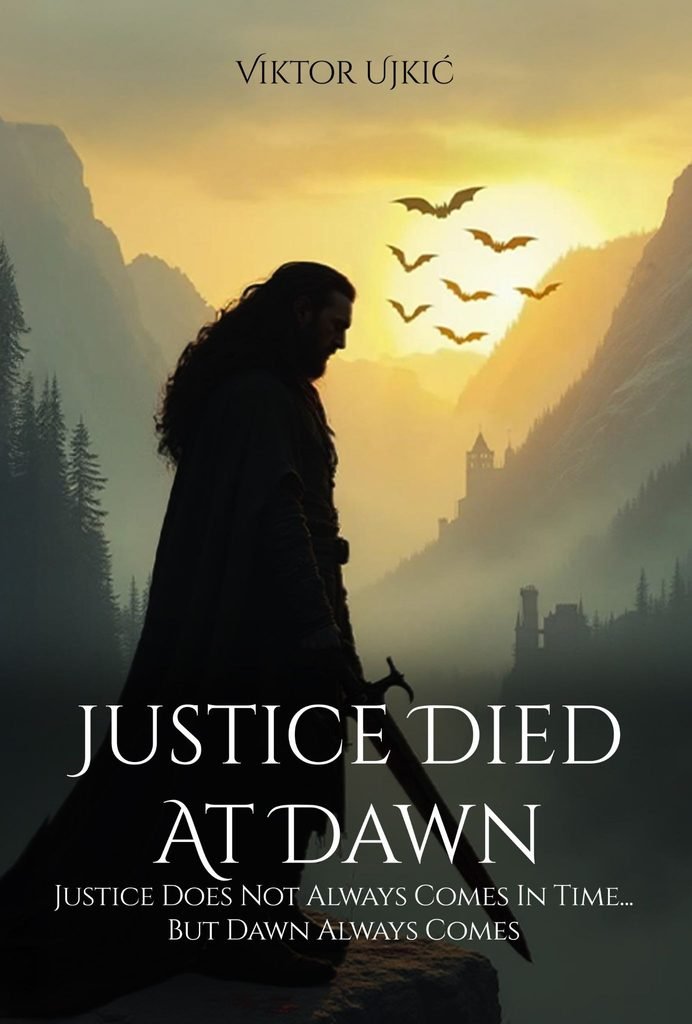
Want to explore how crime fiction can use moral ambiguity and justice as central themes? Viktor Ujkic’s Justice Died at Dawn offers a different approach, blending crime, justice, revenge, corruption, and moral conflict within a historical setting.
If you want to explore another crime-fiction subgenre, read our guide on What Is a Police Procedural Mystery? Key Elements Explained
Final Thoughts
At its best, Hard Boiled Detective Fiction works because it refuses easy comfort. You’re asking readers to sit with a flawed detective in a broken system and still find some reason to believe in justice. Get the tone right, keep the moral lines blurry but earned, and honestly, the rest of the genre kind of takes care of itself.
FAQs
Hard Boiled Detective Fiction is defined by tough or world-weary detectives, gritty settings, crime, moral ambiguity, and a confrontation with corruption or danger. Unlike more puzzle-focused detective stories, hard-boiled fiction often places greater emphasis on atmosphere, violence, personal risk, and morally complicated choices.
Hard Boiled Detective Fiction and noir overlap heavily, especially in their gritty settings, morally compromised characters, and bleak view of crime. Hard-boiled stories usually center more directly on a detective or investigator, while noir can focus more broadly on a protagonist caught in a dangerous or morally compromised situation.
No. Many hard-boiled stories feature private detectives, but the central investigator can also be a police officer or another character drawn into a dangerous investigation. What matters more is the genre’s gritty tone, moral ambiguity, tough investigative perspective, and confrontation with crime and corruption.