

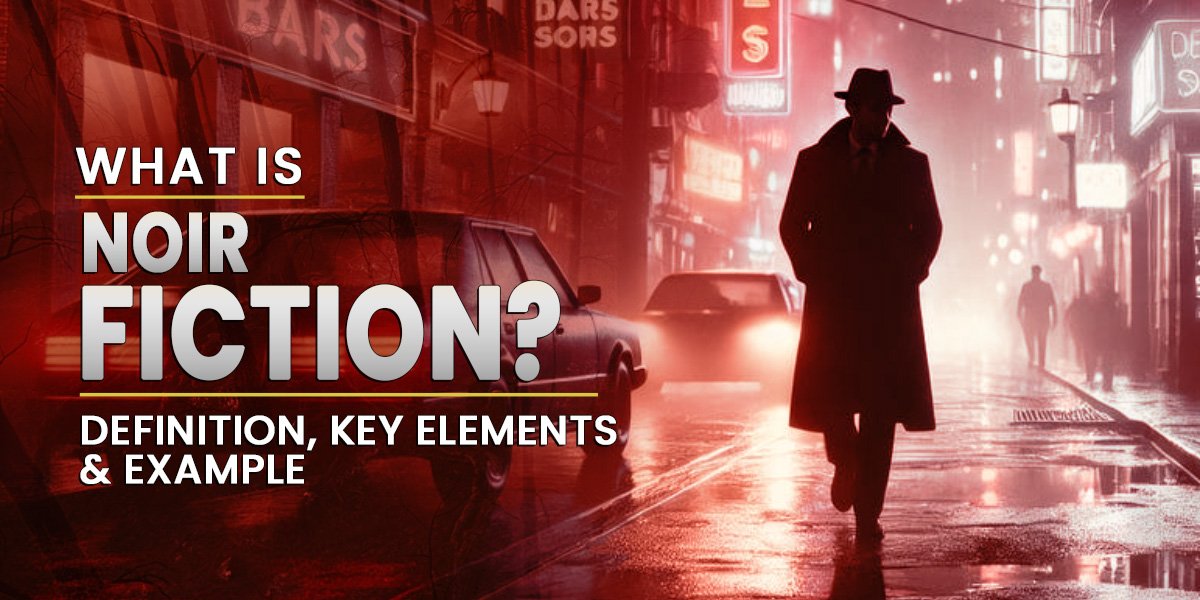
Noir fiction is a crime-fiction genre known for morally complex characters, dark settings, corruption, and a sense of fatalism. Its stories often follow flawed protagonists facing dangerous situations and difficult choices, exploring how personal weaknesses and corrupt systems can lead to damaging consequences.
At its core, noir fiction often explores a world where flawed people make dangerous choices and face consequences they cannot easily escape. Rather than focusing on solving a mystery alone, noir emphasizes moral ambiguity, corruption, and the lasting effects of human decisions.
No clean hero here, honestly. No satisfying win waiting at the end either. Just moral ambiguity, urban crime, and psychological tension that stays with readers long after they’ve closed the book.
Why Noir Fiction Feels So Bleak
It mostly comes down to fatalism. Noir often portrays a world where corruption reaches beyond individual criminals into institutions and everyday relationships. The dark environment isn’t just an aesthetic choice; it helps shape the characters’ decisions and the consequences they face.
The dark environment isn’t just an aesthetic addition, then. It’s kind of the whole point.
What sets good noir fiction books apart from those just copying the look? Fatalistic characters can see the trap closing even before we do. Moral ambiguity fails to resolve itself into black-and-white. City crime is seen as systemic and not incidental, changing the way the entire narrative comes across. Psychological pressure slowly rises, there’s no need for jump-scares, and a dark atmosphere informs the tone on nearly every page.
Core Elements You’ll Find in Noir Detective Fiction
Need more than a crime and a city for this genre to land. Here’s what actually makes it work.
Noir fiction overlaps with the broader tradition of detective fiction, although its emphasis on moral compromise and bleak consequences gives it a distinct identity.
The Flawed Protagonist
The main character isn’t admirable. Not really. Compromised somehow, morally, financially, emotionally, sometimes all three at once. That flaw usually drives the plot more than the actual crime does.
The Criminal Underworld
Noir rarely treats crime as some outside threat. Criminal underworld ties run straight through legitimate institutions too. Part of what makes the corruption feel inescapable, honestly.
Psychological Tension
This genre lives inside someone’s head just as much as it lives in the plot itself. You’re watching a character unravel, slowly, under pressure they mostly brought on themselves.
Dark Atmosphere
Setting matters a lot here, maybe more than plot. Rain, shadows, cities that feel like they’re closing in on you. Not subtle. Never meant to be.
Classic Noir Fiction vs. Modern Noir Fiction
| Element | Classic Noir Fiction | Modern Noir Fiction |
| Setting | Often mid-20th-century urban settings | Contemporary or historical settings |
| Tone | Cynical and fatalistic | Bleak, varied, often psychologically complex |
| Protagonist | Flawed detective or compromised individual | Diverse, morally complex protagonists |
| Corruption | Crime, politics, and institutions | Personal, corporate, or institutional corruption |
| Resolution | Often bleak or ambiguous | Can be bleak, ambiguous, or partially redemptive |
Classic and modern noir approach different settings and social concerns, but both can explore moral compromise, corruption, and the consequences of dangerous choices.
What Draws Readers to Such a Dark Genre
Honestly, it’s a fair question. Why would anyone want to spend hours inside a story that refuses to let anything turn out okay? Turns out, that’s kind of the point, not a bug in the genre but the actual appeal.
There’s something almost relieving about fiction that doesn’t pretend. Most stories promise some version of justice eventually, even messy justice. Noir doesn’t bother with that promise at all. You know early on things probably won’t work out, and somehow that honesty feels more trustworthy than a tidy ending would.
It also scratches a weirdly specific itch: watching someone navigate a broken system without any illusions about fixing it. No one’s saving the city here. No one’s even trying to, not really. The best noir fiction books understand that readers don’t need a guaranteed happy ending to stay invested; they need a compelling protagonist whose choices carry real consequences.
Maybe that’s why the genre has lasted so long. Readers aren’t necessarily looking for comfort when they pick up noir; they’re looking for stories that reflect the moral complexity of the real world.
Common Mistakes Writers Make With Noir
Biggest one: confusing bleakness with depth. A story can be miserable without really saying anything at all; that’s not the same thing as noir done well.
Another mistake is making every character equally corrupt. If nobody has anything left to lose or believe in, the moral conflict loses its impact. Even in a bleak story, characters need different motives, values, and limits. At least one character should still hold on to a belief or principle, even if that belief is eventually crushed.
And then there’s overdoing the dark atmosphere till it swallows the plot whole. Mood matters, sure. But readers still need somewhere to put their attention besides rain-soaked description, page after page after page.
What Makes the Best Noir Fiction Books Stand Out?
Strong noir stories share a willingness to confront consequences. Their characters rarely escape the damage caused by their choices, and even when a case is solved, the outcome may leave deeper moral questions unresolved.
The best noir fiction books also feature morally complex characters, corruption, and a dark atmosphere that supports the story’s central conflicts. Noir mystery books often blend crime and suspense with moral ambiguity, showing how difficult choices can lead to lasting consequences.
A Real Example Worth Studying
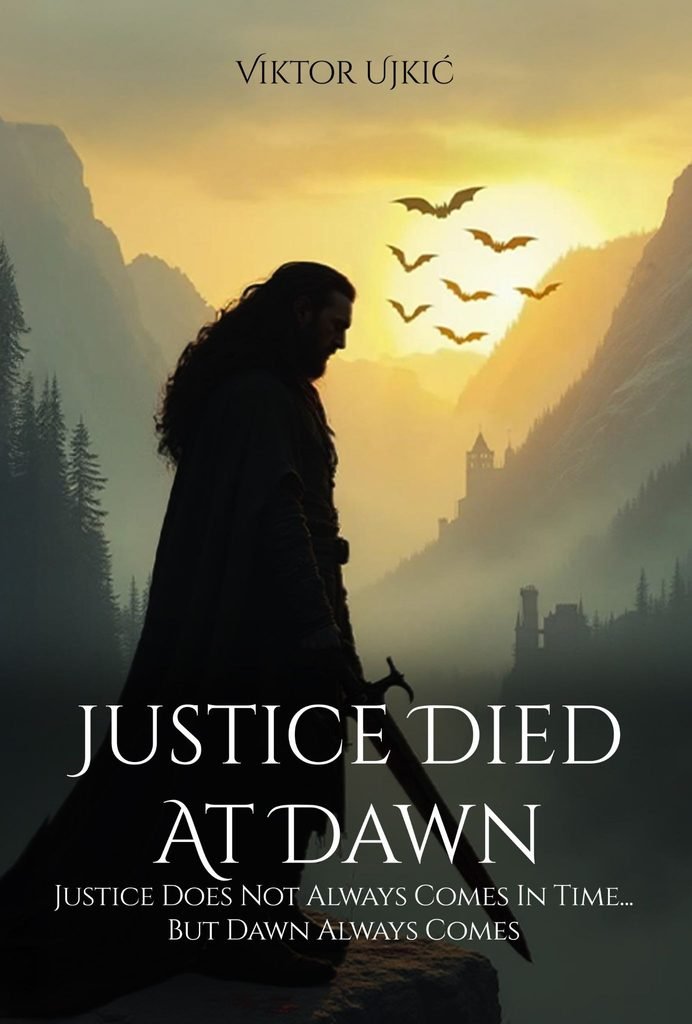
Want to see how crime fiction can explore justice, revenge, corruption, and moral conflict? Justice Died at Dawn by Viktor Ujkic approaches these themes through a historical setting, offering a different perspective from the urban worlds often associated with noir fiction.
If you want to explore another crime-fiction subgenre, read our guide on What Is Hard Boiled Detective Fiction? A Gritty Crime Genre.
Final Thoughts
At the end of the day, noir fiction works because it doesn’t flinch. You’re asked to sit with flawed people making bad decisions in a corrupt world, and somehow that honesty’s the whole appeal. Get the fatalism right, keep the moral lines blurry but earned, and the dread just does the rest of the work for you.
FAQs
Noir fiction is defined by morally complex characters, corruption, dark settings, and a bleak or fatalistic view of human nature. Its protagonists often face dangerous choices and consequences that challenge the distinction between right and wrong. Unlike many traditional mysteries, noir may focus more on moral conflict than on restoring order.
Noir and hard-boiled fiction overlap in their gritty settings, crime, and morally complex characters. Hard-boiled fiction often centers on a tough investigator confronting corruption, while noir may focus more broadly on a compromised protagonist whose choices lead to dangerous or destructive consequences.
No. Noir fiction does not always end badly, although bleak or ambiguous endings are common. Some stories allow partial redemption or limited justice, but they often preserve the genre’s focus on moral complexity, difficult choices, and lasting consequences.