

A police procedural mystery is a crime story that focuses on how law enforcement investigates a case through evidence collection, interviews, forensic work, suspects, and step-by-step detective work.Unlike stories built around one brilliant deduction, police procedurals emphasize the investigation process and the methods used to uncover the truth.
So what actually makes something a police procedural mystery? At its core, it’s a crime story built around how detectives work a case, step by step. Not some flash-of-genius moment. You’re not watching someone solve a puzzle from an armchair here; you’re inside the investigation itself… crime scene, evidence collection, interviews, that whole slow grind of turning suspicion into something you can actually prove.
Ever picked up one of the better police procedural mystery books and realized the twist wasn’t what hooked you? It was the process. Yeah, that’s the genre doing exactly what it’s supposed to. Less genius, more patience and pressure. Honestly, that’s what keeps people coming back, book after book.
What Are the Key Elements of a Police Procedural Mystery?
- Crime and crime scene
- Police investigators
- Evidence collection
- Suspects and motives
- Interviews and interrogation
- Forensic investigation
- Setbacks and false leads
- Investigation breakthroughs
- Case resolution
Why Readers Love Police Procedural Fiction
For many readers, it comes down to realism. Good police procedural fiction doesn’t skip the boring parts; somehow it makes them interesting anyway. Real forensic evidence, real interview tactics, real dead ends that lead nowhere. That’s the draw.
Compare that to a story where the detective just… knows things. No legwork, no wrong turns, answers showing up right when the plot needs them. Feels hollow fast, right? Readers catch that gap almost instantly, even without being able to explain why exactly.
A few things separate the good police procedural mystery novels from the hollow ones:
- Crime scene treated seriously, not just a backdrop
- Detective work follows a path you can trace
- Evidence collection actually matters to the plot
- Crime suspects have motives that feel real
- Case solving feels earned, never rushed
Core Elements of a Strong Police Procedural
I need more than a crime and a detective for this to work. Here’s what actually holds it together.
The Crime Scene
Everything starts here. A strong crime scene sets the tone, stakes, and usually the first real clue too. Handle it sloppily and the whole story loses credibility fast. Readers notice when a scene feels rushed, like it just exists to kick off the plot.
The Police Investigation
This is where police investigation techniques take over. Procedural accuracy matters, sure, but it shouldn’t read like an instruction manual. Interviews, surveillance, paperwork, all of it needs to feel lived-in. Good writers know which details deserve a spotlight and which ones can just… pass by.
The structure shares several features with a traditional detective story, including clues, suspects, investigation, and resolution.
Forensic Evidence
Many modern police procedurals include forensic evidence such as DNA, ballistics, digital records, or other forms of scientific analysis, depending on the case. Doesn’t need a science lecture attached, just needs to feel believable. Research goes a long way here; readers who know the subject spot shortcuts fast.
The Suspects
Crime suspects need to feel human, not cardboard cutouts. Motive matters just as much as opportunity. Strong procedurals often give readers several plausible suspects, each with believable motives or connections to the case, so the investigation retains uncertainty.
Common Mistakes Writers Make With This Genre
Even experienced writers slip up here. One big one: overloading the story with procedural detail until it reads like a training manual. Nobody wants forty pages on chain-of-custody paperwork, however accurate.
Another slip: making the investigation too easy. Every lead pans out on the first try? Tension’s gone. Real cases hit walls, false starts, evidence that leads nowhere. That friction is what makes the breakthrough satisfying instead of predictable.
And the opposite problem too: dragging things out so long readers lose patience with the pacing. Balance matters here more than in most mystery subgenres, honestly.
Police Procedural Mystery Structure Table
| Stage | What Happens | Why It Matters |
| The Crime | Discovery of the crime scene | Sets stakes and initial clues |
| Investigation | Interviews, evidence collection, forensic work | Builds the case methodically |
| Setbacks | Dead ends, false leads, internal pressure | Adds realism and tension |
| Breakthrough | A key piece of evidence connects | Shifts the investigation’s direction |
| Resolution | Case solved, culprit identified | Delivers a satisfying, earned conclusion |
Doesn’t have to follow this exactly every time. But skip too many stages, and it stops feeling procedural at all, honestly.
What Makes a Modern Police Procedural Different
A modern police procedural usually blends old-school detective work with newer tools, digital forensics, surveillance tech, cross-jurisdiction cooperation- that whole mix. That said, the emotional core hasn’t changed much. Readers still want detectives who feel human. Cases that feel solvable but not obvious. A resolution that respects earlier clues, not one pulled from nowhere.
Some of the best police procedural mysteries balance both worlds well. Procedure without letting it drag the story down. Technology moves the plot, sure, but it shouldn’t replace the human instinct that makes a detective worth following.
A Real Example Worth Studying
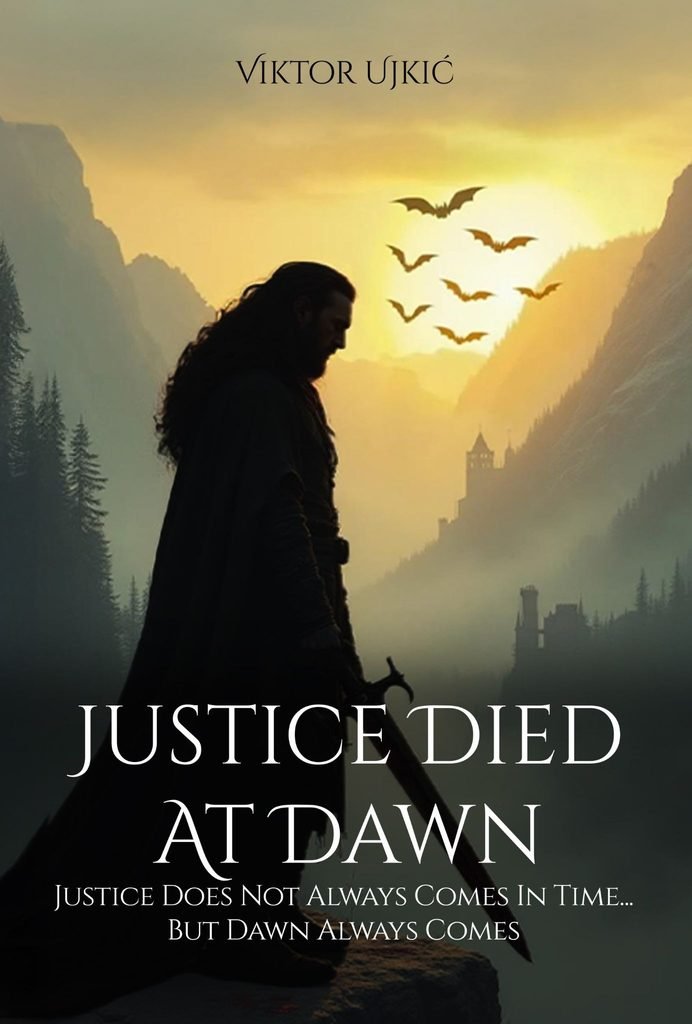
Want to see some of these ideas applied to a crime story? Viktor Ujkic’s Justice Died at Dawn explores criminal investigation, moral tension, evidence, and motive while placing its characters in situations where justice and personal choices collide. It offers a useful example of how investigation and moral conflict can work together in crime fiction.
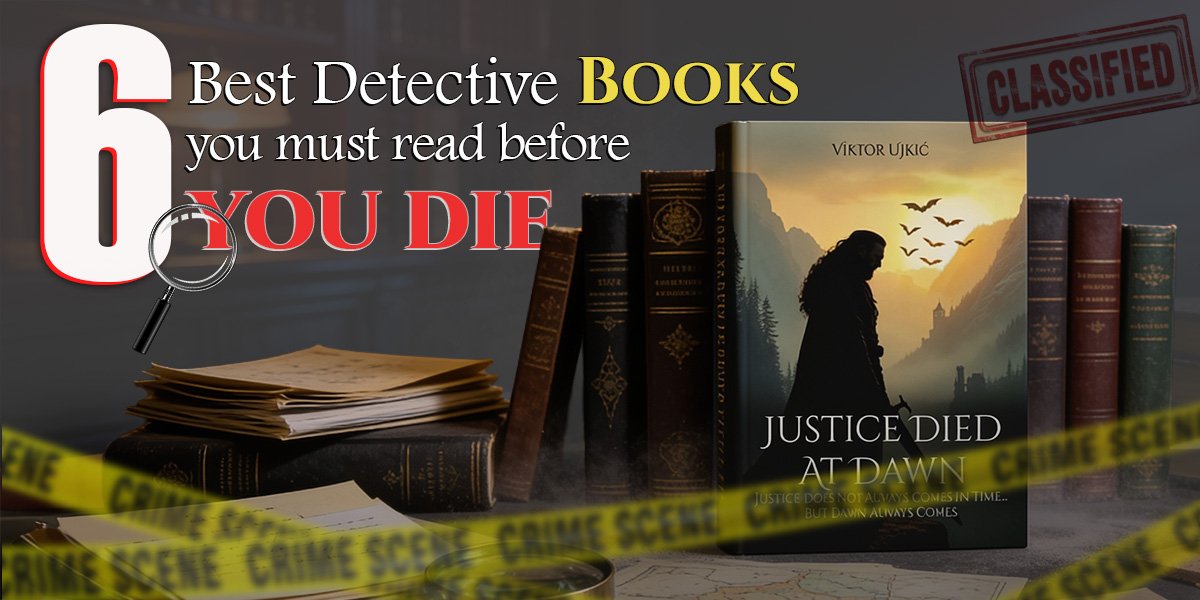
If you enjoy investigation-driven stories, you can also explore our list of 6 Best Detective Books You Must Read Before You Die.
If you want to explore the broader genre, read our guide on What Makes a Great Detective Story? Key Elements Explained .
Final Thoughts
At the end of the day, what makes this genre work is trust in the process, plain and simple. You’re asking readers to sit through the grind of an investigation and believe it’ll pay off. Get the crime scene right. Make the evidence collection matter. Give your detectives real instincts, and the resolution ends up feeling earned instead of convenient.
FAQs
A police procedural mystery is defined by its focus on law-enforcement investigation, including evidence collection, interviews, forensic work, suspects, and step-by-step case solving. The story emphasizes the investigation process rather than relying solely on one detective’s sudden deduction.
A police procedural focuses on official law-enforcement methods, teamwork, evidence, interviews, and investigative procedures. A broader detective story can instead center on an amateur detective, private investigator, or individual sleuth whose deductions drive the case.
No. A police procedural does not require a twist ending. Its appeal often comes from following the investigation, evidence, setbacks, and eventual resolution in a believable way.