

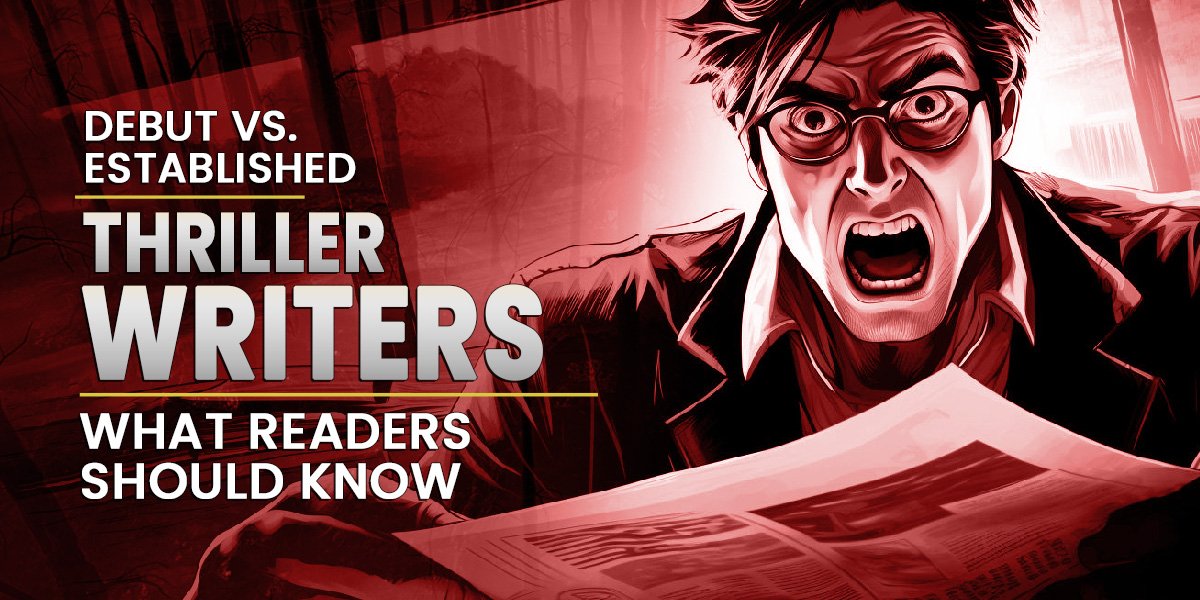
The main difference between debut and established thriller writers is simple: experience against risk. Established authors hand you tight pacing and a track record. Newcomers hand you fresher ideas, and sometimes a mess. Neither is better by default. It depends on what you’re after tonight.
What Actually Separates Newcomers From Veterans
A thriller, in plain terms, is a very exciting novel or film. That’s the easy part. It gets more interesting when you look at who’s writing it, because someone on book two and someone on book twenty don’t write the same way.
Writing Experience and Craft
Writing experience mostly shows up in pacing. Veterans know where to squeeze a scene and where to let you breathe. Endings? Rarely wobbly.
A debut thriller novel can be rougher. Sometimes that’s a problem. Other times it gives you a voice that feels unpolished in a good way, the kind you rarely get in book fifteen of a long series.
It’s a bit like restaurants, really. A chain gives you the same meal every time, no surprises. A small new kitchen might serve the best plate of your year. Or a disaster.
Voice and Author Writing Style
Author writing style is where veterans settle in. Open any page and you could probably name the writer within a paragraph. Newcomers haven’t landed there yet, so each book is a bit of a coin toss.
Still, that’s not always bad news. Emerging thriller authors tend to mess with structure, jumping timelines or using narrators you can’t trust, since there’s no brand to protect yet.
Debut vs Established Thriller Writers: Comparison
Here’s a quick look at how the two groups usually stack up.
| Factor | Newcomers | Veterans |
| Pacing | Uneven at times, occasionally thrillingly raw | Tight |
| Plot risk | Higher, with odd twists | Familiar formulas, safer |
| Availability | Often indie or small press | Almost everywhere |
| Series | Mostly standalones or book one | Long series are normal |
| Consistency | Hit or miss | Steady |
Use it loosely. Plenty of newcomers write cleaner plots than people with twenty titles behind them.
Why Big Names Still Fill Most Shelves
Famous thriller writers win shelf space for obvious reasons. Publishers push them hard, bookstores stack them by the door, and you trust the name before you’ve read a line.
Bestselling thriller authors also tend to release on a steady schedule, which helps if waiting years for a sequel drives you up the wall. And popular thriller authors come with piles of reviews you can check before spending a cent.
So what do you get with established authors? Mostly a reliable rhythm. Easy access, since libraries and online stores carry them. Series you can binge in order. Fewer editing slip-ups, too.
Funny thing, the tradition runs deep.Dashiell Hammett, a former Pinkerton detective, helped shape American hardboiled crime fiction, and many veterans still write in that tradition.
The Case for Giving Newcomers a Chance
Fresh Ideas and Suspense Storytelling
Suspense storytelling goes stale fast when everybody copies the same formula. Newcomers don’t. Debut thriller writers often borrow from real jobs, odd places, personal obsessions, and you can tell.
Psychological tension is where they really shine. Rather than chasing explosions, they park you inside a character’s head and let doubt do the work. Thrillers are usually described as stories defined by the moods they create, so that fits nicely.
Price matters too. Newcomers often charge less for e-books to win readers, which makes them a cheaper gamble than a hardcover from a big name.
Independent Thriller Authors and Risky Ideas
Independent thriller authors don’t need a big publisher’s blessing. They can put out a stranger, riskier idea that a large house would pass on. Want dark thriller novels with morally messy heroes? You’ll find plenty of them here.
Quality swings, though. Grab a sample chapter first. Skim a few honest reviews too.
How to Choose Your Next Book
Honestly, you don’t need to pick a side. Reader preferences change with your mood, and that’s fine.
- Safe, fast read for a long trip? Go with a veteran.
- Something unpredictable, maybe even a little weird? Try a newcomer.
- Tired of series commitments? Standalones are your friend.
Here’s a simple test: read the first ten pages. Want to keep going? Then the author’s career stage barely matters.
If You Are New to the Genre
Looking for thriller authors for beginners? Start with momentum, not complexity. Read one established name to get the rhythm, then try a newcomer and watch how the rules bend. You’ll get better thriller book recommendations from that than from any list, since it’s built on what you actually enjoy.
Even the best thriller writers once had one unread first book and a lot of nerve. Worth remembering when a debut looks risky.
Into moodier crime stories as well? What Is Noir Fiction? Definition, Key Elements & Example covers that style in more detail.
A Place to Start Browsing
Viktor Ujkic Library focuses on detective and crime fiction, so it’s a handy stop if you like your suspense with a case to solve.
Viktor Ujkic is a dark fiction writer working in that same detective space, so his books are easy to compare with both newer voices and long-running names.
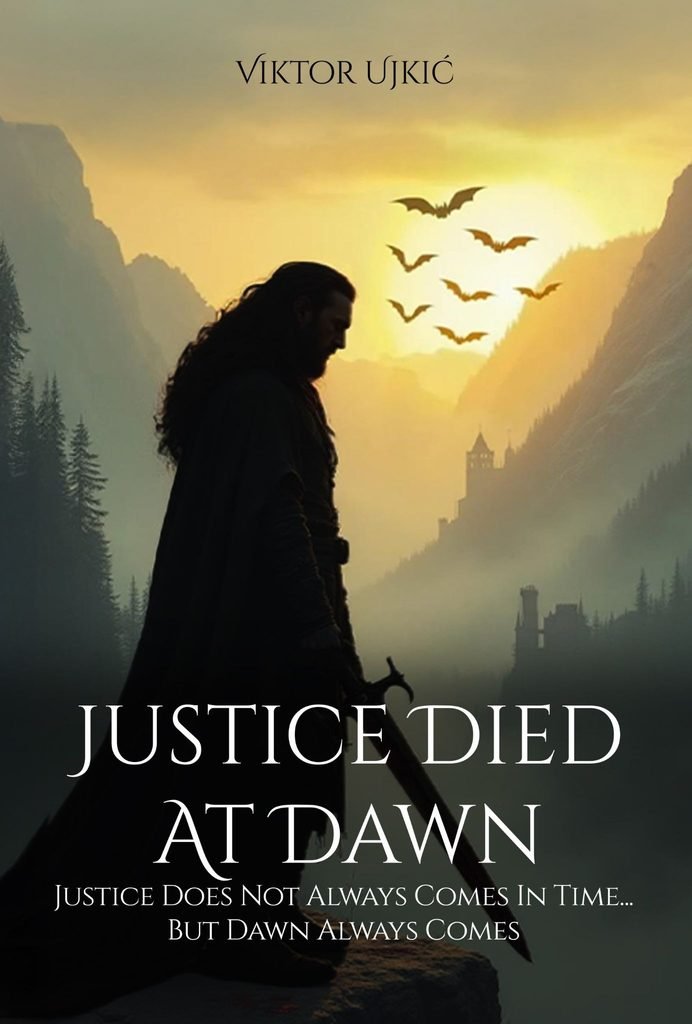
Justice Died At Dawn is a good title for testing the debut versus established question yourself. Read a chapter. Notice the pacing and tone. Then hold it up against a veteran favorite from your own shelf.
Final Thoughts
Mix both. Lean on veterans when you want comfort, grab a newcomer when you want a jolt. Your shelf ends up better for it.
FAQ
Start with whatever matches your mood. Established authors suit a first read in the genre because the pacing is dependable. Debut authors bring fresher twists but less consistency. Plenty of readers just alternate: comfort one week, surprise the next.
Read a free sample chapter first. Does it hook you inside ten pages? Then check a few honest reader reviews. Libraries, independent bookshops and author websites also turn up newer voices that never reach a bestseller list.
Not always. Experience helps with pacing, but it doesn’t guarantee a stronger story. Some veterans recycle formulas, while some newcomers land sharper plots and braver ideas. Judge a book by its first chapters and reviews, not the name on the cover.