

A great detective story combines a compelling crime, a memorable investigator, meaningful clues, believable suspects, red herrings, logical deduction, and a satisfying resolution. The best stories give readers enough information to follow the investigation while creating suspense that keeps them guessing until the truth is finally revealed.
New writers mess this part up a lot, though. They’ll sit on info the reader never had a real shot at guessing, then boom, last chapter, big reveal, like some magic trick they just pulled off. Doesn’t land as clever. Feels like cheating, honestly, and readers catch on fast.
So what’s the fix? Plant clues early, let them slide by unnoticed. The reader won’t clock them right away, not until the investigator ties it all together later and it finally clicks.
The Building Blocks You Need
Every list of detective story elements starts in more or less the same place. What separates a fresh story from a formulaic one is how you combine them.
A crime worth solving comes first; that’s non-negotiable. Doesn’t have to be murder, but the stakes need to actually matter to your characters, or none of it lands.
Then there’s the investigator. Needs a distinct method, whatever that looks like. Logical deduction, pure gut instinct- it doesn’t matter, as long as readers can recognize how this person thinks.
Suspects? Real motives, not just plot filler. And clues, genuine ones mixed with a few red herrings, keep readers guessing without feeling played later on. Get all of that lined up right, and the resolution basically holds itself together. No last-minute cheat needed
How the Plot Structure Usually Unfolds
A dependable detective story structure gives your plot a backbone, even if you end up bending the rules later, which most good writers do eventually.
| Stage | What Happens | Why It Matters |
| Setup | The crime occurs, or its aftermath is discovered | Establishes stakes and introduces the investigator |
| Investigation | Interviews, evidence gathering, early theories | Builds suspect motives and lays down clues |
| Rising Tension | New evidence contradicts earlier theories | Introduces red herrings and plot twists |
| Climax | The investigator confronts the truth | Tests the logical deduction the reader’s been following |
| Resolution | The case is solved and explained | Delivers a satisfying resolution, ties up loose ends |
You don’t have to follow this rigidly. But skip a stage entirely and readers usually feel like something’s missing, even if they can’t say what.
Detective Mystery Elements That Keep Readers Hooked
The best detective mystery elements are often the ones you barely notice while reading. They only click into place in hindsight. A well-placed red herring should feel like a real lead at the time, not an obvious dead end you can spot from a mile away. Plot twists work the same way—inevitable once revealed, even though you didn’t see them coming five pages earlier.
Think about the last time a story you thought you’d figured out completely pulled the rug out from under you, and it still made sense. That’s the balance. Surprise, not betrayal.
What Makes a Strong Investigator Character
Your investigator character carries the whole thing, so give them more than sharp instincts. Readers connect with detectives who have flaws. Blind spots. Personal stakes in how things turn out. A detective who’s never wrong isn’t tense to follow; you already know how it ends before you get there.
Look at how different authors build their leads. Some lean purely on logical deduction, others trust emotional intuition more, and honestly the strongest characters usually blend both without making a big deal of it.
Detective Story Writing Techniques Worth Using
Working on your own manuscript? A few things tend to separate the amateur attempts from the ones that actually land, at least in my experience.
Get your culprit into the story early, even just in passing. That way the reveal feels earned, not like it fell out of nowhere. Dialogue’s useful too; you can plant suspect motives through what people say instead of just stating it outright. And let your investigator screw up sometimes, small stuff. Builds tension, makes them feel like an actual person and not some flawless deduction machine.
Here’s the real trick though: withhold conclusions, not information. Show the clue. Don’t explain it yet. Just… sit on it for a while.
None of this is a shortcut, by the way. It’s really just the difference between a plot that feels engineered top-down versus one that feels discovered, like you’re figuring it out right alongside the reader.
A Real Example Worth Studying
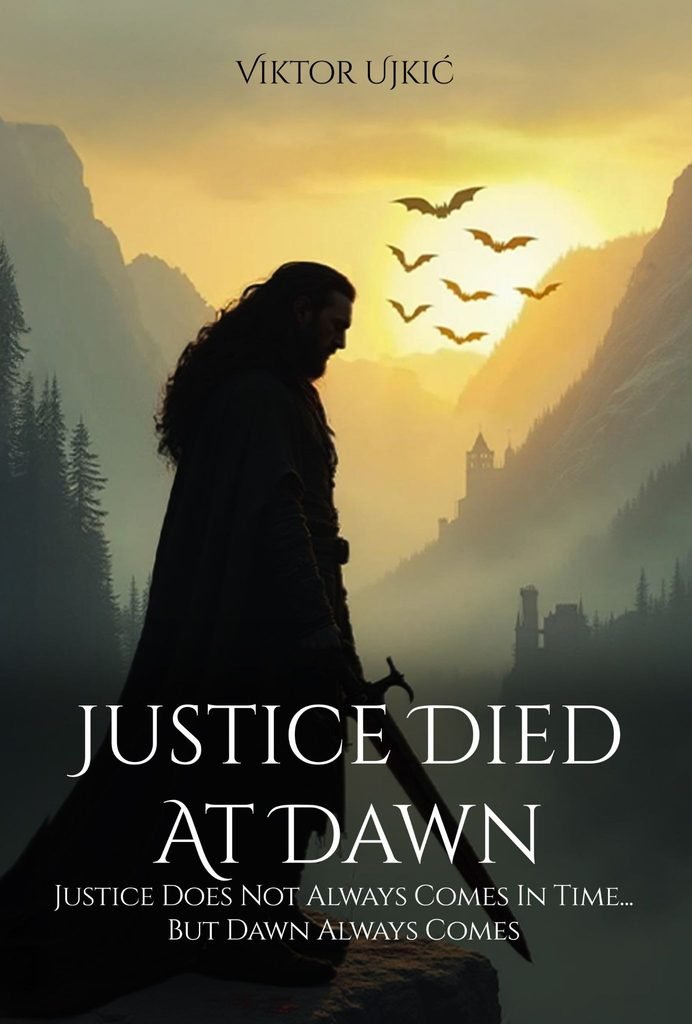
Want to see these elements working together? Justice Died at Dawn by Viktor Ujkic explores crime investigation, moral ambiguity, and the consequences of difficult choices. It offers an example of how motive, evidence, tension, and character conflict can work together in a darker crime story.
If you want to go deeper into the genre itself, check out our full guide: What Is Detective Fiction? Definition & Key Elements.
Final Thoughts
When you get down to it, writing (or just enjoying) a detective story comes down to trust. You’re asking your reader to follow a trail of evidence and believe the destination’s actually going to make sense. Get the clues right. Give your investigator a real voice. Let the resolution feel earned, not convenient, and you’ll end up with a story people remember long after they’ve closed the book.
FAQs
Honestly? Comes down to what you’re actually chasing as a reader. In detective fiction, you’re solving a crime, following evidence, reasoning your way toward an answer, step by step. Thrillers work differently. They’re built around suspense and danger, that nagging feeling something bad’s about to happen. Watching someone survive isn’t really the point here; it’s figuring out who did it, and how they pulled it off.
Not really. Sure, a twist can help, but it’s not some rule you have to follow. What actually matters more? A resolution that makes sense given everything you were already shown. Surprise is nice, don’t get me wrong, but if you can’t look back and go “oh, that tracks,” it hasn’t done its job.
No fixed number, honestly. Most stories that pace well land somewhere around three to five. Go lower, and it’s too obvious, too fast. Go higher, and readers start losing track, forgetting who wanted what and why.